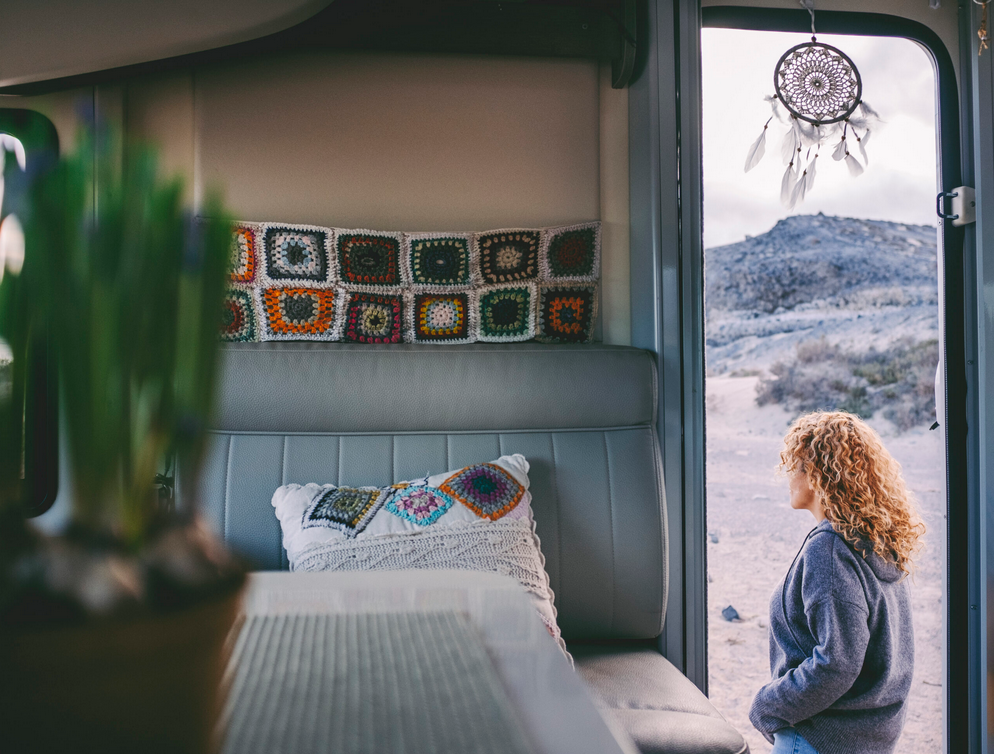
With real life experience from a £20,000 DIY Van Build
Things you’ll learn about,
How much is this all going to cost me in the UK to get the van and to convert it? Starting with price of a used van vs new van? Give me a breakdown of the big-ticket items, electrical, plumbing, bathroom setup, kitchen setup, bed, water system, insulation, heating & cooling. What tools am I going to need? What things can I skimp on a bit vs what I should not take shortcuts on? What about additional things as Insurance & registration?
Writer: Daniela R for Vanbandits
Read time: 15-20mins
Focus: Real campervan conversion costs UK guide for main systems, build materials and van purchase.
If you’re considering UK van life and thinking about converting a van, we are so excited for you! We love the off-road life, and the freedom that the van lifestyle brings. But we also know that van to campervan conversions are a big undertaking!
We get asked all the time about the cost of a campervan conversion.
“It’s hard to find quality information about UK van conversion costs. This is why this is a one-stop shop article with cost indicators for conversions.”
We’ve done this for every spec level and based entirely on personal experience and what we have gauged from being part of the van life community.
How much does it cost to convert a van to a camper? In this article, we will cover
1) cost of a van itself and the best places to look.
2) main systems of the van (electric, plumbing, heating) and give you cost indicators for every spec you could want.
3) build materials (wood, insulation, finishings) and give you an idea of what to expect.
4) personal experience of costs incurred – straight from us.
This article contains great resources and recommendations for where to look for competitive prices to help keep your van conversion cost in line with your budget.

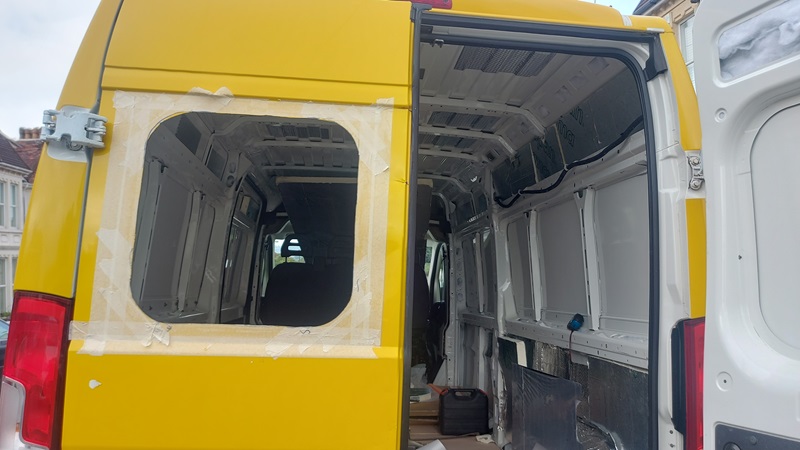
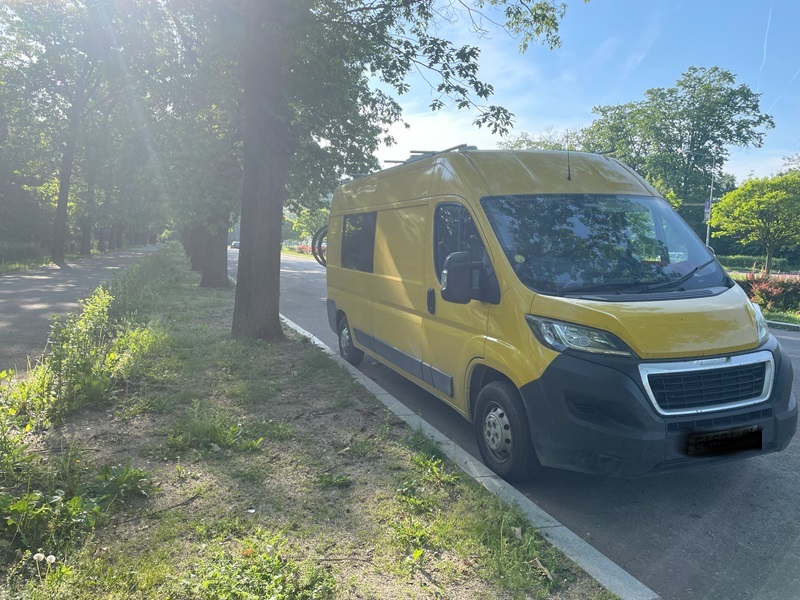
In 2024, my partner and I converted a Peugeot Boxer with a high spec kit for off-road living ahead of our 5-month European van life road tour. I will include personal experience and details of the costs we incurred throughout this article.
Table of Contents
ToggleHow much does a van cost UK?
The main cost of a van conversion will be the van itself. How much a van costs depends on a number of factors.
We suggest looking in the first instance on Autotrader for a better idea of rough costs and availability. Then contact some of the dealers and see if any dealerships have other options, not advertised on the site. This can be a great way to be the first to find out about new vans on the market and find some good deals that other people browsing the site won’t see.
Here are the best top things to think about when looking at van costs:
-
Cost (New vs. Used)
Used vans are budget-friendly, typically ranging from ~£3,000 to £15,000, and often come as ex-delivery vehicles with high mileage but good maintenance records. New vans start at ~£30,000 and can exceed £60,000. Remember to check if VAT is included in the listed price, as this can add 20% to your cost, and can catch you out if you’ve not bought a van before. -
Engine Type (Euro 5 vs. Euro 6)
Older Euro 5 engines are cheaper but may incur clean air zone charges in UK cities. Euro 6 engines meet stricter emission standards, saving you from those fees but costing more upfront. You can easily spend about £3,000 more for an equivalent van to go for a Euro 6 engine, not only will you know it’s more environmentally friendly, but it restricts you less driving into cities. -
Size and Length (SWB vs. LWB)
Short-wheelbase (SWB) vans are compact and easier to park, ideal for city use, but offer less space for features like a fixed bed. Long-wheelbase (LWB) vans provide more room for layouts and are better for full-time living or long trips, but they can be harder to drive and park. -
Brand and Maintenance
Affordable brands like Peugeot Boxer, Citroën Relay, and Fiat Ducato are popular for their interchangeable parts, making maintenance easier and cheaper. Higher-cost options like Mercedes Sprinter and VW Crafter are durable but pricier to buy and repair. -
Mileage
High mileage isn’t necessarily a dealbreaker. Vans are designed for heavy use, so a well-maintained vehicle with 100,000+ miles can still have years of life left. Check the service history for regular maintenance.
Here are some main models of vans to consider for van conversion.
How much did our van cost to convert?
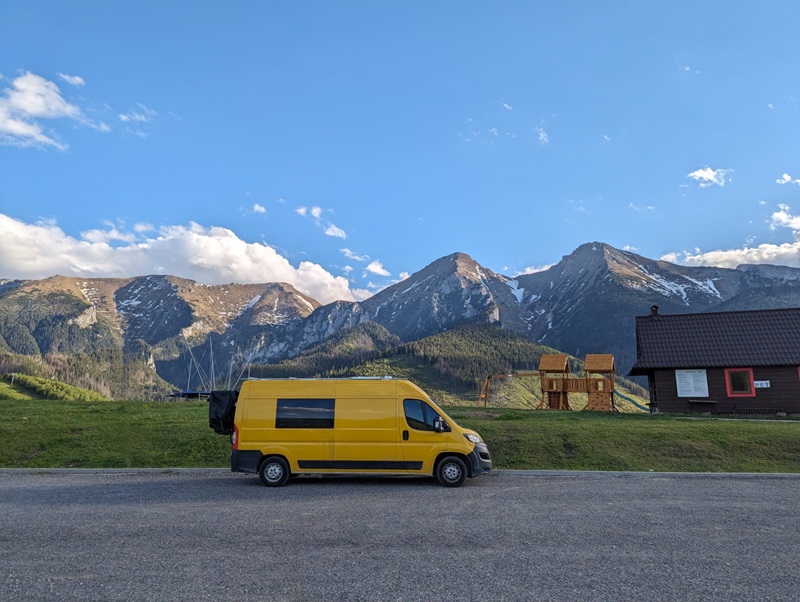
We chose a Peugeot Boxer with 120,000 miles for just under £12,000 VAT included. Most importantly for us, we bought a Euro 6 engine so that we could drive without worry to visit family and friends in London and Bristol. We also thought the resale value of the Euro 6 engine would be higher, and it felt better for us to get something with slightly better emissions standards.
The Peugeot Boxer is a great van for converting, and we would absolutely recommend it. We also ended up paying an extra £500 for our exact van over other options on the market because it was bright yellow! We absolutely loved this, it makes our van feel so special, so considering the colour and aesthetic can also have an impact on what you end up paying.
Our Converting Campervan UK costs summary table – quick budget snapshot
| Skimp | Luxury/High End | ||
|---|---|---|---|
| Van Purchase - 2nd hand | £3,000+ | £3,000 | |
| Van purchase - 2nd hand larger model | £20,000+ | £20,000 | |
| (New van model £40k - £80k) | |||
| Electrical System | £500-£3,000 | £500 | £3,000 |
| Heating System | £150 - £1,000 | £150 | £1,000 |
| Instalation & Soundproofing | £200-£1,000 | £200 | £1,000 |
| Kitchen Setup | £300-£1,500 | £300 | £1,500 |
| Water System | £100-£600 | £100 | £600 |
| Bathroom Setup | £50-£2,000 | £50 | £2,000 |
| Bed & Seating | £150-£800 | £150 | £800 |
| Custom Carpentry | £200-£1,000 | £200 | £1,000 |
| Cosumer Electrics | £50-£400 | £50 | £400 |
| £4,700+ | £31,300+ |
How much do Van Build Consumer Electrics Cost
One of the main initial budgetary things to consider is the cost of your electric system. For us, this was by far the most significant cost after the van itself.
There are so many options for how to configure your electrics, from simple lights at one end of the spectrum to a fully wired home on wheels, with electrical sockets, multi-charging options and great battery life for off-road living at the other end.
The most expensive part of the electrics is usually the battery, so understanding the battery capacity is important to get an idea of your electrical budget. A great website we recommend where they will calculate a battery capacity for you based on the activities you want in your van is vunked.com.
Other additions to the electrics will be:
- Solar panels and associated kit (around £100-300)
- Charging the leisure battery from the engine battery while driving (around £80)
- A 240v supply in addition to the 12v. While 12v systems are great for lights, specialised fridges and USB charging plugs, if you want to run regular appliances and charge laptops, you’ll need a 240v supply which requires an inverter. The inverter is a more expensive piece of kit (around £300)
The number and type of outlets, sockets, and lights in your van determine how comfortable and functional your space will be. In our decision-making process, we really valued not having to worry too much about energy use and opted for a large battery that gave us loads of flexibility off-grid.
Budget Option (~£100–£300)
A basic 12V system with a few LED strip lights and one or two USB outlets. Minimalistic and sufficient for charging devices and basic lighting.Mid-Range Option (~£500–£1000)
A combination of ceiling-mounted LED lights, a couple of 12V USB sockets, and a small 240V system (~£300) for running low-wattage appliances. Medium battery capacity.High-Spec Option (~£2,000+)
A comprehensive system with a big battery, multiple charging options, solar panels, and a strong 12v and 240v supply.
Personal Experience & Annotation
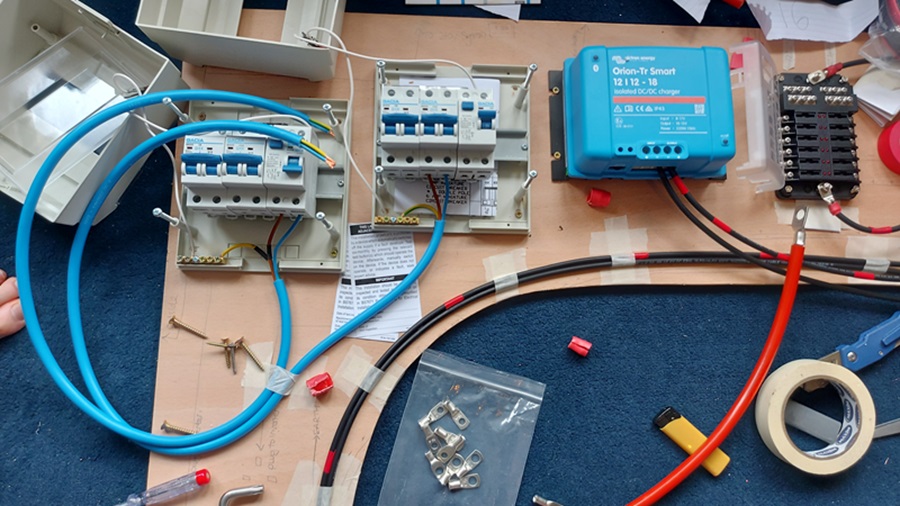
The electrics in our van cost us about £2,500 in total, which is a lot! This included solar panels, an inverter, a battery charging, solar charging and electrical socket charging option and a battery big enough that we could comfortably run laptops, a good fridge and all appliances we needed during our 5 months trip. While we were quite shocked by the price initially, we have gotten so much value from this set-up, that we would definitely make the same decisions again.
Our Van Build Consumer Electrics Cost - table summary
| Budget | Mid-range | High-Spec | |
|---|---|---|---|
| 12v system, few LED strip lights, 1-2 USB outlets | £100-£300 | ||
| ceiling mounted LED lights, couple 12V USB sockets, small 240V system | £500 - £1,000 | ||
| comprehensive system - big battery, multiple charging options, solar | £2,000+ |
How much does the Kitchen Setup cost in a Van Conversion
The kitchen is the heart of your van, and its complexity can vary significantly depending on your cooking and storage needs.
What can increase your kitchen price?
- Adding plumbed gas compared with disposable canisters. Plumbed gas from a central canister will be more affordable to top up on the road. After investing in this, we spent about £50 on gas over the five months of our trip.
- Adding plumbed water – this will require a pump rather than just a gravity-fed or pedal system. They are not very expensive and add a lot of convenience.
- Size of your water storage tank – bigger tanks are more expensive.
- Adding hot water – See more details in the hot water section below, but of course, this will impact the overall cost
- Adding large greywater disposal – if you have a tank under the van, you might need to insulate it from freezing.
- The quality and size of your fridge – these could range from about £50 to £100
Here are some cost estimates for different kitchen setups on different budgets:
Budget Option (~£100 – £200)
A single-burner camping stove (£30) with a small portable gas canister, a collapsible sink (£10), and a cool box (~£50) for food storage. Minimalist and ideal for short trips or occasional van life.Mid-Range Option (~£500–£800)
A 12V compressor fridge, and a built-in sink/stove camping combo unit. Offers enough functionality for regular use and some off-grid capability, with a simple countertop for meal prep. Not a home set-up.High-Spec Option (~£1,500+)
A proper hob, fully plumbed with gas, a fully plumbed sink and large fresh and grey water storage tanks.
Personal Experience & Annotation
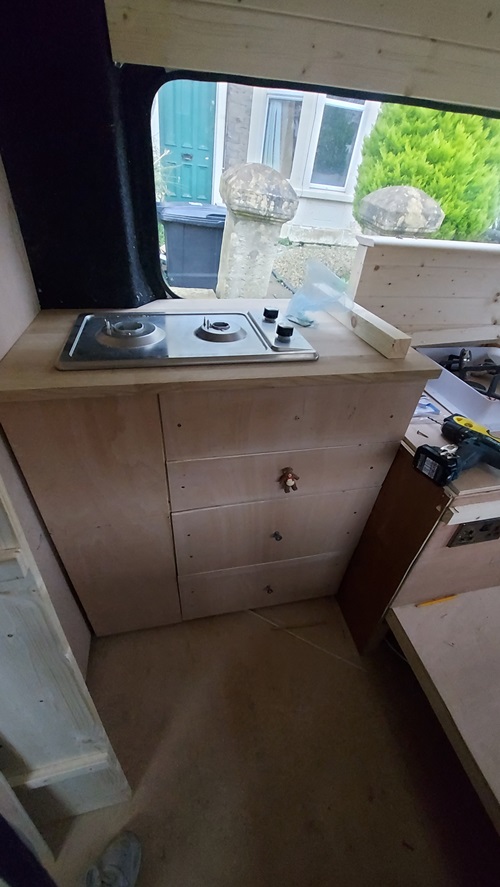
We chose the high-spec option above with the exception of the greywater tank where we decided to go for a large canister that sat below the sink. We manually took this out to empty which was more effort but a compromise for a cheaper and simpler system. You do need to give some thought about where you’ll dump your greywater waste in the UK and understand the laws around dumping.
Our Van Build Conversion Kitchen Setup Costs – table summary version
| Budget | Mid-range | High-Spec | |
|---|---|---|---|
| single burner, collapsible sink, cool box | £100-£200 | ||
| 12V compresor fridge, buit-in sink/stove combo unit | £500 - £800 | ||
| proper hob, fully plumbed with gas, fully plumbed sink, fresh & grey water storage | £1,500+ |
How much do Van conversion Hot Water Systems Cost
Hot water in your van can significantly enhance your comfort, especially during colder months. You might want hot water for the shower, for the kitchen or for both.
- Budget Option (~£50–£150)
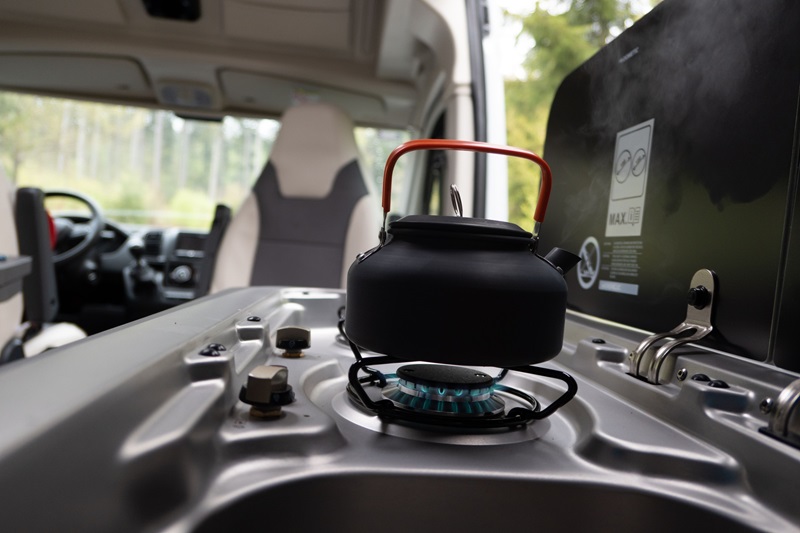
A solar shower bag (~£20–£50) combined with a kettle heated on your stove. Simple, cheap, and effective for occasional use but not practical in colder weather. - Mid-Range Option (~£500–£800)
A gas-powered instant water heater (£200–£400) provides on-demand hot water and works well for moderate van usage. High pressure low flow rate shower head. - High-Spec Option (~£1,300+)
An integrated diesel or gas-powered water heater (£800), connected to a pressurised water system and a large insulated tank (£500). Ideal for full-time van living with consistent hot water on demand. High pressure, low flow rate shower head.
Tools Needed: Pipe cutter, sealant, and wrenches for installation.
Personal Experience & Annotation
We chose an on-demand gas water heater for our shower that was hard-plumbed into our gas canister. It worked phenomenally well – the water was instantly hot and we went for a special good pressure but low water consumption shower head. It cost us about £200 in total, although the bathroom itself cost more.
Our Van Conversion Hot Water System – table summary version
| Budget | Mid-range | High-Spec | |
|---|---|---|---|
| solar shower bag, kettle heated on stove | £50-£150 | ||
| gas-powered instand water heater | £500 - £800 | ||
| integrated diesel or gas-powered water heater, pressurised water system, large insulated tank | £1,300+ |
How expensive are Van Conversion Gas Systems
Gas systems power essential items like cooking appliances and sometimes water heaters. Camping gas is readily available everywhere so you don’t have to get a full high-spec refillable system, but we found it not too expensive and it saved us a lot of money on route.
Budget Option (~£50–£150)
A portable camping stove (£30) with disposable gas canisters (£10 each). No complex setup is needed, making it affordable but less efficient for long trips. You’ll need to have loads of ventilation or the windows open.Mid-Range Option (~£200–£500)
A dual-burner hob (£150) with a refillable LPG cylinder (£100–£200). Suitable for more frequent use and offers better cost efficiency over time.High-Spec Option (~£800+)
An integrated gas system with fixed piping, a built-in hob and hot shower, and a large LPG tank (£300). Provides seamless operation and is ideal for full-time or heavy van usage.
Personal Experience & Annotation
We installed a mid-range system for ~£400, including a dual-burner hob and refillable LPG cylinder. We also had a gas-powered hot shower but we used this infrequently so didn’t include a super large spec gas canister.
| Budget | Mid-range | High-Spec | |
|---|---|---|---|
| portable camping stove, disposible gas canisters | £50-£150 | ||
| dual-burner hob, refillable LPG cylinder | £200 - £500 | ||
| integrated gas system with fixed piping, built-in hob & hot water, large LPG tank | £800+ |
Additional Van Conversion Costs to Consider
When planning your DIY van conversion, you’ll also need to consider the budget for expenses beyond the actual build. These costs might not seem significant at first glance but can add up quickly. Here’s what to keep in mind:
Ensuring your van is road-legal and adequately insured is a must, and this can vary based on the type of vehicle and modifications.
Camper Van Insurance in the UK
Costs typically range from ~£300 to ~£800 per year, depending on your driving history, van specifications, and the level of cover. You’ll often get a lower premium if your van is classified as a motorhome or camper.
Registering Your Van as a Camper with the DVLA
If you’ve converted your van into a camper, you can update its classification with the DVLA. This requires proof of internal changes, like fixed beds and cooking facilities. It also has a very high threshold, needing a proper spec and certification for gas systems, and it can take months to go through the paperwork. This often lowers the insurance cost.
Our Van Conversion Gas Systems Cost – table summary version
Tools & Equipment costs for the Build
A reliable set of tools is essential for completing your conversion safely and effectively.
“Tools are so expensive. The best thing we can suggest is to borrow where possible.”
It’s hard to specify a cost for these because we believe in buying quality tools that will last a long time, but adding these to the conversion cost will add up quickly.
You can also buy cheaper, manual tools, but in some cases, it’s just so much easier to use power tools which will save you so much time with van conversion.
If you are going to invest in just a few tools for the build we suggest a strong drill, manual or power jigsaw, knife, caulking gun for silicone and tape measure.
- Estimated cost for only essential tools £200
- Estimated cost for some power tools is £500
Estimated cost for full sets of quality tools is upwards of £1,000
Van Conversions: What to Skimp On vs Where to Invest
Knowing when to save and where to splurge can make your van conversion more cost-effective without sacrificing safety or functionality. It can be hard to know in advance what is worth a high investment, and where you can get away with cheaper or second-hand alternatives.
Areas to Save:
- DIY Upholstery: Refurbishing cushions or seats yourself can cut costs significantly.
- Basic Kitchen Setup: A portable stove and cooler can suffice if you don’t plan on long trips.
- Simple storage boxes rather than built-in drawers and shelves.
Where to Invest:
- Electrical System: Opt for high-quality batteries and wiring to avoid malfunctions and safety risks.
- Insulation: A reliable diesel heater or fan ensures comfort in extreme temperatures.
Bed Frame and Mattress: Invest in a solid structure and a good mattress for long-term comfort.
How to save money on your van build UK
If you want to save money, here are our suggestions for making real savings.
- Buy good quality Used Van: Search for ex-delivery vehicles, often cheaper and well-maintained.
- Do It Yourself: Take on as much of the build as you can, even if it’s your first time. Tutorials and YouTube videos are invaluable.
- Shop Around for Materials: Use second-hand websites like Gumtree, Facebook Marketplace, and eBay for parts and materials.
- Reuse and Repurpose: Salvage wood, cushions, and hardware from old furniture.
- Borrow or Rent Tools: Instead of buying, check if friends or family can lend you tools, or rent them for a short period.
- Start Simple: Begin with the essentials and add luxuries later when you have more funds.
- Skip the Shower: Rely on campsite facilities or a portable outdoor shower.
- Opt for a Basic Electrical Setup: Start with a single leisure battery and basic lighting; expand later.
- DIY Upholstery and Curtains: Sew your own covers and curtains using discounted or leftover fabric.
- Look for Freebies: Check local community boards or Freecycle for people giving away furniture, materials, or tools.
- Be Patient: Waiting for sales, discounts, or the perfect second-hand find can save you significant amounts.
- Join Van Life Groups: Online forums and Facebook groups often share money-saving tips and offer second-hand items for sale.
- DIY Kitchen Setup: Use a camping stove and cooler box instead of expensive built-in systems.
- Paint Instead of Cladding: Skip wood cladding on walls and go for a cheaper, painted plywood finish.
- Skip Extras: Hold off on things like awnings, roof racks, or luxury appliances until later.
- Plan Ahead: Measure and budget everything carefully to avoid costly mistakes or over-purchasing materials.
- DIY Decor: Create your own decorations and storage solutions instead of buying expensive van-specific products.
Ask for Help: Family and friends may be happy to lend a hand, saving you both time and money.
Most Expensive Items in a Van Build
If all of this information feels overwhelming and you’re trying to figure out a budget, we suggest starting with the most expensive items and considering what you can get for your money.
The van itself will be the biggest expensive. After that the electrical system. Once you have a good idea of these main items, you can start to figure out the final details. This list below will help you with the main ticket items and their rough costs.
- Van Purchase: The largest single expense, with costs ranging from ~£3,000 for a used van to £20,000+ for a newer or larger model.
- Electrical System: Batteries, solar panels, inverters, and wiring can cost ~£500-£3,000, depending on the setup.
- Heating System: Installing a diesel heater or other heating options can cost ~£150-£1,000.
- Insulation and Soundproofing: Proper insulation materials like PIR boards or recycled wool can cost ~£200-£1,000 depending on the van size.
- Kitchen Setup: Appliances like a fridge, cooker, and sink add up quickly, costing ~£300-£1,500 or more.
- Water System: Built-in water tanks, pumps, and plumbing can cost ~£100-£600 for a fully integrated system.
- Bathroom Setup: Adding a cassette toilet, shower, and wet room can range from ~£50 for basic solutions to £2,000+ for high-spec designs.
- Bed and Seating: A fixed bed frame with custom cushions or a pull-out design may cost ~£150-£800 depending on materials.
- Custom Carpentry: Cabinets and storage units built specifically for your van can cost ~£200-£1,000 for materials and tools.
Consumer Electrics: Lighting, sockets, and USB chargers can cost ~£50-£400 depending on the number of fixtures.
Cost to convert our Peugeot Boxer (real-life case study)
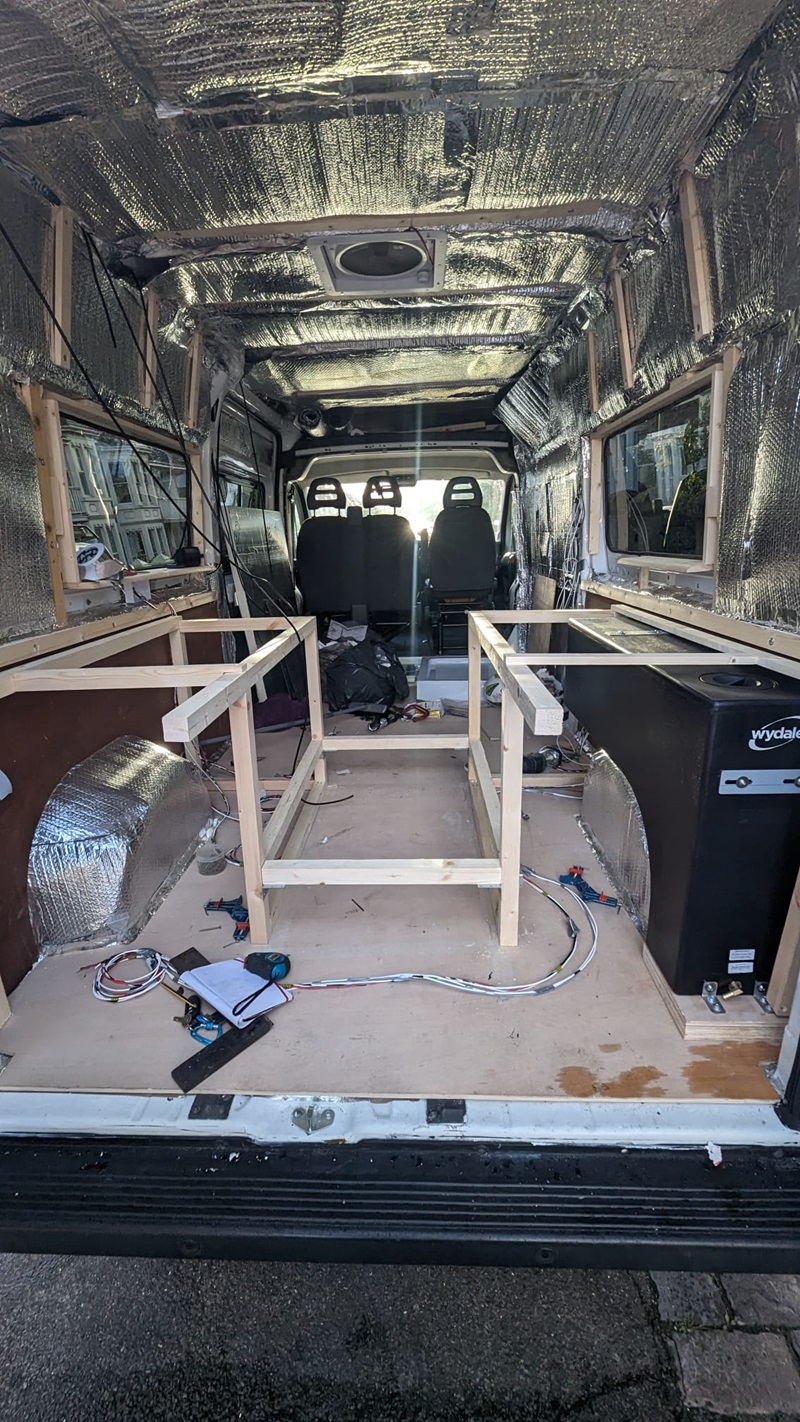
In summary for our Peugeot Boxer conversion, we chose electrical and water systems with a high spec, but did a lot of the carpentry, window installation and wiring ourselves, so kept costs down that way. I was very new to building so it took me a lot of time to get my head around the wiring and figure out efficient ways to cut and build the cabinetry and bed frame.
We really appreciated our shower set up on the road and got great use out of our large capacity leisure battery. We also manage to save a lot of money on the road in gas because of a great LPG gas system which is a bigger initial investment but saves money on route. The same for water, a big tank gave us a lot of flexibility on the road.
Overall, our conversion alone cost about £8,000. The van itself was £12,000 so the total cost to build our dream campervan came to about £20,000.
The good thing to remember is that you can add value to the van with the conversion, meaning the resale value should reflect some of the costs incurred.
Final thoughts on the cost of van conversions in the UK
Converting a van can be an exciting project, but it’s important to go in with a clear idea of the costs involved. From electrics and water systems to insulation, heating, and building materials, there are a lot of expenses to consider. Whether you’re going for a simple conversion or a fully-equipped camper, the costs can add up quickly, but with careful planning and a few smart choices, you can keep things affordable.
Our own conversion of a Peugeot Boxer gave us plenty of hands-on experience with balancing quality and cost, and we’ve shared some of our best tips for saving money along the way. With a bit of DIY effort and shopping around, it’s definitely possible to create a comfy, functional van without stretching your budget too far.
We hope you’ve found this guide helpful in giving you a clearer picture of what to expect cost-wise and where you can cut corners without compromising on quality. If you’re just starting your van conversion journey, we wish you all the best—take your time, enjoy the process, and soon enough, you’ll be on the road to your very own home on wheels. Happy converting!
For more inspiration and advice, check out our complete guide to converting your van, learn about turning your van into a home in 7 steps, or read about ways to make money with your cargo van.
Before you start your journey, don’t forget to review our essential van life checklist and read up on campervan culture dos and don’ts.
Need inspiration? Check out our interviews with experienced van lifers like the Fenimore’s Adventure and Simon’s van life journey.

Dani does vanlife in her bright yellow Peugeot boxer called “Sunny”. Based in Bristol, UK, with her partner she DIY the complete van conversion of Sunny and then tripped around Europe. She now does vanlife around the UK. Outside van life adventures and trip planning, she works as a project developer in renewable energy. See Dani’s full vanbandits profile.